What are Botox injections?
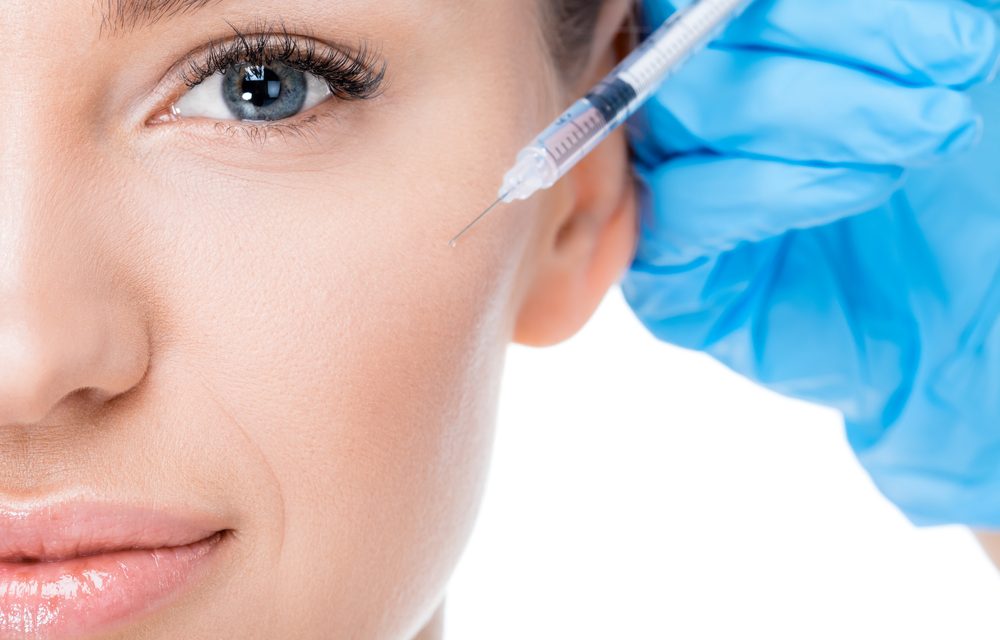
Botox cosmetics are a class of injectable muscle relaxants that can be used to combat and reduce wrinkles. The targeted muscle is momentarily paralyzed by botulinum toxin type A (OnabotulinumtoxinA). As a result, fewer facial wrinkles are visible.
These injections are clinically safe and minimally invasive. It is a widely used method of reducing wrinkles and fine lines around the eyes. Other regions of the face such as the forehead can also be successfully treated.
In the USA, the FDA initially approved Botox in 1989 to treat blepharospasm and other issues with the eye muscles. The FDA authorized the use of Botox as a cosmetic procedure in 2002 for the treatment of moderate to severe frown lines between the brows. In 2013, the FDA authorized it for the treatment of crow’s feet, or wrinkles around the eyes. It has also been approved by the Australian TGA for treating facial rhytides (glabella lines, forehead wrinkles, and crow’s feet).
Getting Ready for Cosmetic Botox
Botox Cosmetic is a non-surgical procedure that can be done in the office. There is hardly much preparation needed. Before your procedure, your treating doctor (or nurse under supervision) will discuss your medical history, allergies, and current medical issues.
It is ideal to stop the blood thinning medication before injection, however, before stopping this needs to be checked with your general practitioner doctor or relevant specialist first (whoever started the medication for you). Before the process, you might need to wash the treatment area and remove all of your makeup.
The treatment process takes around 10min. Topical anaesthetic may be used to numb the treatment area if pain or discomfort is a concern. A thin needle is used to inject a dose of type A botulinum toxin into the target muscle where the desired effect is required.
Where else in the body can Botox be used?
The injectable can be applied cosmetically to the following regions:
- Frown lines around the eyes, crow’s feet, and wrinkles in the area between the eyebrows (glabellar region) and forehead.
Additionally, the TGA authorised the use of Botox to treat several conditions, including:
- Muscle spasms around the eye or face.
- Chronic migraines
- Strabismus of eye muscles
- Spasms of limbs
- Overactive bladder
Botox – How does it work?
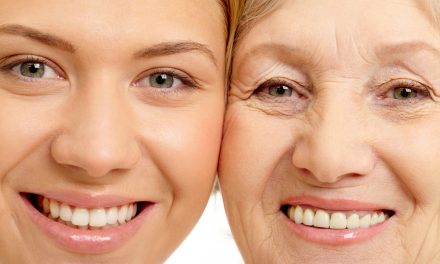
During your youth, the skin is often thicker and abundant in collagen. Like thick cardboard, it’s harder to fold and wrinkle. With time, however, the skin loses collagen and its elasticity, becoming thinner and making the action of the underlying muscles more prominent. Subsequently, this thin delicate skin folds easier with each muscle movement, giving rise to the appearance of wrinkles.
Botox blocks the transmission of nerve signals to the target muscle, preventing contraction, and lessens the visibility of wrinkles between and around the treatment areas. It can be used as a preventive measure to slow down the formation of new wrinkles.
What are the risks of Botox injections?
While is it regarded as a safe procedure, the side effects of botox can include:
- Minor bruising or discomfort could happen, but it should go away in a couple of days.
- The injected area may temporarily appear raised.
Other less common side effects include:
- Droopy eyelid (may appear around 1 week after injection)
- Tiredness
- Allergic responses, including rash, itching, or asthma symptoms, headache, neck pain, double vision, and dry eyes
If any of these adverse effects develop, get in touch with your provider immediately. If any does occur, know that it is temporary as the botox usually fades in four months.
What aftercare is required following Botox Injection?
Following injection, please do not rub, massage or press on the treatment area. Doing so may spread Botox to other parts of the body. If this occurs the medication may affect other muscles giving unintended effects. For instance, if the botox seeps deeper into the area behind the eyelid and affects the muscle that lifts the eyelid, this may lead to a droopy eyelid.
There is minimal downtime associated with botox injections. In most instances, you should be able to return to your regular activities right away. It is also good to avoid strenuous exercise or any activity that increases blood flow to the face (making the face flush) in the first 24 hours as this reduces the effectiveness of the medication.
It’s critical to comprehend potential advancements and to set reasonable goals. In most cases, results can be appreciated 5-7 days after the injection. The effect can last for up to four to six months. Botox injections can be repeated
Information provided are strictly for general educational purposes and DOES NOT constitute formal medical advice. Please consult your nearest physician who is experienced and approved to carry out these procedures.
Discussions Club